
By: Babies Harmony Hub Editorial Team | 10 minutes read time
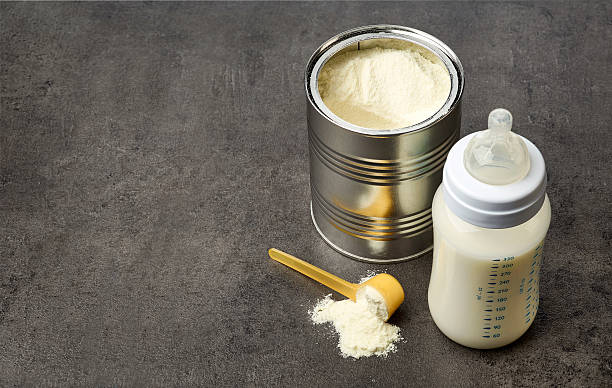
Caring for a newborn is a wonderful journey that involves love, education, and occasionally a little bit of anxiety. Despite the frequent emphasis on breastfeeding, many families find formula feeding to be a legitimate, healthy, and popular option. By giving you a thorough rundown of everything you need to know to confidently feed a child, this guide seeks to demystify formula feeding.
Understanding Formula And The Foundation
Negotiating the range of formula choices can be exhausting. Collaborating with a pediatrician to understand the primary formula options will help guide decision-making.
Cow’s Milk-Based Formula

For the majority of healthy, full-term babies, cow’s milk-based formula is the most popular kind. The main carbohydrate is lactose, a sugar that occurs naturally in milk, and the protein in cow’s milk is altered to make it easier for infants to digest. Iron, an essential nutrient for baby development, is added to these formulas.
Soy-Based Formula

Although true lactose intolerance in infants is uncommon, soy-based formulas are an option for babies who have a genuine cow’s milk protein allergy or lactose intolerance. These typically contain corn syrup or sucrose as the carbohydrate and soy protein as the protein source. This option should only be used under medical supervision because many infants who are allergic to the protein in cow’s milk may also react to soy protein.
Hydrolyzed (Protein Hydrolysate) Formulas
Formulas known as hydrolyzed (protein hydrolysate) are made for infants who have trouble digesting whole proteins, frequently as a result of severe cow’s milk protein allergies or problems with malabsorption. These formulas’ proteins are hydrolyzed, or extensively broken down, into smaller peptides, which facilitates digestion and reduces the likelihood of an allergic reaction.
- Proteins in highly hydrolyzed formulas are fragmented into tiny pieces.
- Proteins with partially hydrolyzed formulas are broken down into smaller pieces than intact proteins but larger pieces than those with extensive hydrolysis. Despite their occasional advertising for “fussiness” or “gas,” their effectiveness in treating these conditions varies.
Specific Formulas
There are numerous specialized formulas available for specific conditions that fall outside these primary categories. They are:
- Anti-reflux (AR) formulas, known for their thickness, aim to reduce spitting up.
- Formulas for premature infants are higher in calories, protein, and minerals to help them grow quickly.
- Metabolic formulas are designed for infants who have rare metabolic disorders.
Related Post
Important Factors to Consider While Selecting
Iron Fortification
Always choose an iron-fortified formula unless specifically instructed otherwise by your healthcare provider. Iron is necessary for both brain development and the prevention of anemia.
DHA and ARA
Many formulas now include DHA (docosahexaenoic acid) and ARA (arachidonic acid), two fatty acids that are naturally found in breast milk and are believed to support brain and eye development.
Brand Loyalty vs. Store Brands
All infant formulas sold in regulated countries, regardless of brand, must adhere to strict safety and nutritional standards. Store brands are often more affordable and provide similar nutrition.
Formula Preparation: Safety First
For a baby’s health, formula preparation must be done correctly. Errors may result in bacterial contamination or, more dangerously, nutritional imbalances.
1) Hygiene is Key
Maintaining excellent hygiene is essential. Wash your hands well with soap and water before making any formula. Make sure that every bottle, nipple, ring, cap, and piece of equipment used for preparation is thoroughly cleaned.
- Sterilization: For newborns and infants with weakened immune systems, sterilize bottles and nipples prior to each use. You can accomplish this by using a steam sterilizer, a dishwasher with a sanitizing cycle, or boiling for five minutes. As a baby grows older and their immune system matures, a thorough washing with hot, soapy water followed by air drying is often sufficient.
2) Water Matters
- It’s generally advised to boil tap water vigorously for one minute and allow it to cool to lukewarm (body temperature) before mixing for infants under two months, premature infants, or those with compromised immune systems. This eliminates any possible bacteria present in the water.
- If the baby belongs to any of the aforementioned high-risk groups, boiling the filtered water is still necessary.
- Young infants still need to boil most bottled waters because they are not sterile. Seek water bottles that are marked “sterile” or “purified for infant formula.”
- Fluoride, which is beneficial for dental health, is present in some tap water. Consult a pediatrician about fluoride supplementation if you only use bottled or filtered water.
3) Measuring Accurately
Possibly the most important stage is measuring accuracy. On the formula packaging, always exactly follow manufacturer directions.
- Use the supplied scoop with the powdered formula. Level the scoop with a straight edge—that of a knife or the built-in leveler on the can. Never cut water intake below advised levels or add extra scoops. Too little can cause poor nutrition; too much powder can cause constipation and kidney strain.
- Mix as directed: equal parts concentrate and water.
- Although it’s the most practical and least priced choice, ready-to-feed formulas call for little mixing. Just pour it straight into a fresh bottle.
- Add the powder last; first, fill the bottle with water. Cap the bottle and shake thoroughly until the powder dissolves totally. Steer clear of strong shaking that causes too many bubbles, which could produce gas.
4) Mixing
First add the water to the container; then, the powder. Cap the bottle and shake thoroughly until the powder dissolves totally. Steer clear of strong shaking that causes too many bubbles, which could produce gas.
5) Temperature Check
Before presenting the bottle, shake some droplets of the formula on the wrist to check its temperature. It should feel not heated but rather lukewarm. Though the bottle feels cool on the exterior, never microwave formula since it might produce “hot spots” that could scorch a baby’s mouth.
Feeding Routines and Amounts: Observing the Baby

Unlike rigid timetables commonly connected with older feeding advice, modern advice stresses responsive feeding, meaning feeding a baby when they exhibit signs of hunger.
- Look for early signs of hunger like fussiness, sucking on hands or lips, rooting—turning the head toward a touch on the cheek—or smacking sounds. One late hunger cue is crying.
- Common Feeding Rates: Newborns typically consume one to three ounces of formula every two to four hours. The volume per feeding rises as they grow, and the frequency could drop somewhat. An infant should generally get 2.5 ounces of formula per pound of body weight daily. A 10-pound infant, for instance, would need about 25 ounces in a 24-hour period. This amount is only a recommendation, though; personal needs differ.
- During growth spurts—typically lasting two to three weeks, six weeks, three months, or six months—a baby may want to eat more regularly or drink more overall.
- Usually, a baby will stop eating when they are satisfied. Do not force a finish. Fullness manifests as leaning away from the bottle, pushing the nipple out, or nodding off. Never make a baby finish a bottle against their will.
- Frequent burping by a baby both during and after meals helps release trapped air, which could cause gas and discomfort. This could entail sitting on a lap or holding them straight over a shoulder and lightly patting the back.
Storage Guidelines: Preventing Spoilage
Correct storage of a ready-made formula guarantees safety and helps stop bacterial development.
Formula preparation
- Store the prepared formula optimally in the refrigerator at 40°F or 4°C for a maximum of 24 hours.
- Once a baby begins to drink from a bottle, discard any excess formula within an hour. Saliva from a newborn brings germs to the bottle, which, at room temperature, can quickly proliferate. Never reheat or recycle a half-consumed bottle.
- Store unopened cans or containers within the expiration date in a cool, dry environment free from direct sunlight.
- Opened Powdered Formula: Once opened, powdered formula should be used within one month (or as specified on the label). Keep the lid tightly closed.
- Ready-to-Feed/Liquid Concentrate: Once opened, these usually need to be refrigerated and used within 48 hours, but always check the specific product’s instructions.
Resolving Typical Issues
Formula feeding might offer some difficulties even with the best of intentions.
A common newborn complaint is gas and fussiness. If a baby appears very cranky or gassy, think about
- A newborn may suck air from a nipple whose flow is excessively rapid. Invest in a slower-flow nipple:
- Ensure frequent burping.
- Keep the bottle tipped such that the nipple is always full with formula, therefore lowering air intake.
- While some families find that changing formula types—from cow’s milk-based to a partially hydrolyzed formula—helps, this should be done under advice from a healthcare expert.
- Hard, sporadic feces can point to constipation.
- Ensure that your baby is always hydrated.
- Occasionally it helps to try different formulas
- See a professional for advice before introducing any medicines like laxatives or prune juice.
Babies often spit up, particularly following a meal, but this is natural. Make sure a baby isn’t being overfed. Frequent burping also helps, so keep the baby upright for twenty to thirty minutes after feeding.
See a doctor if throwing up is violent, projectile, or accompanied by pain or inadequate weight gain since it may point to reflux or another problem.
Formula allergies and intolerances can cause symptoms including colic, vomiting, diarrhea (often with blood), skin rashes (eczema), or inadequate weight gain. Should these symptoms arise, a healthcare professional can assist in a diagnosis and provide a suggested, suitable, customized formula.
Essential Supplies for Formula Feeding
Having the correct tools will streamline and expedite the procedure.
- Bottles and Nipples: As a baby develops, caregivers will need a range of bottle sizes and nipple flow rates—slow, medium, and rapid. Search for bottles that are simple to wash.
- Bottle Brush and Drying Rack: Essential for complete cleaning and hygienic drying are a bottle brush and drying rack.
- Formula Storage Containers: These containers serve the purpose of pre-measuring powdered formulas while in transit.
- Insulated Bottle Bag: This will help to keep ready bottles cool for travel.
- Burp Cloths: Having plenty of these is usually a fantastic idea!
- Sterilizer: While boiling is useful, a dedicated sterilizer (steam or UV) provides ease.
- Hot Water Kettle or Dispenser (Optional): This will rapidly heat water to the required temperature.
Debunking Myths and Embracing the Journey
Sometimes formula feeding bears out-of-date stigmas or false knowledge. Important to keep in mind are:
- Bonding: Formula feeding doesn’t affect bonding. Regardless of the feeding method, holding a baby close, maintaining eye contact, and engaging in conversation during feedings foster strong relationships.
- Nutrition: Scientists create modern infant formulas to provide a newborn with complete nutrition during their first year of life.
- Parental Choice: The decision on how to feed a baby is very personal and influenced by various factors. First priority is honoring this decision and helping families in their preferred feeding style.
- Support Systems: New parents really gain from support regardless of their feeding style. Talk to other parents, lactation consultants (many also encourage formula feeding), and pediatricians.
Final Thought

For many families, formula feeding is a sensible, nourishing, and often empowering option. Parents can approach this part of their care with confidence and delight by knowing the kinds of formula, practicing safe preparation, learning to read a baby’s cues, and managing common concerns, so guaranteeing their little one gets the greatest start in life. Feeding is a journey about love, comfort, and nourishment; formula can help one beautifully attain these things.

 Babies Harmony Hub
Leave a comment