
By: Babies Harmony Hub | 9 minutes read time

There’s something almost magical about the anticipation of bringing new life into the world. Books are bought. Hospital bags are packed. Friends exchange guidance, and the internet transforms into an endless source of parenting tips and baby checklists. But for all the talk about feeding schedules, baby gear, and sleep strategies, there’s a surprising silence around one major topic: postpartum recovery.
The postpartum period—often described as the “fourth trimester”—can be raw, overwhelming, and disorienting. It’s a time when the body, mind, and emotions undergo massive changes. However, people often overlook, romanticize, or treat it as a secondary concern. The narrative tends to celebrate the miracle of birth while skipping over what comes immediately after: the healing, the vulnerability, the exhaustion, and the slow, messy journey back to feeling human again.
Understanding what to anticipate can significantly impact your experience. So here it is—an unfiltered look at what nobody tells you about postpartum recovery.
1) It’s Not Just a Few Weeks of Rest and Healing
There is a common misconception that postpartum recovery concludes in six weeks. It takes six weeks to recover fully. It takes six weeks to receive clearance for exercise. Six weeks until everything “goes back to normal.”
But that six-week mark isn’t a magic milestone—it’s just the beginning. The physical recovery alone can take months. Muscles need time to realign. Internal organs shift back into place. Pelvic floor strength often needs rebuilding. Sleep deprivation compounds everything. The timeline varies wildly from person to person, and for many, the body doesn’t feel “normal” again for a long time—if ever.
And then there’s emotional recovery, which doesn’t fit into any standard timeline at all. Healing from childbirth is not linear, and the pressure to “bounce back” can do more harm than good.
2) Bleeding Can Last Way Longer Than Expected
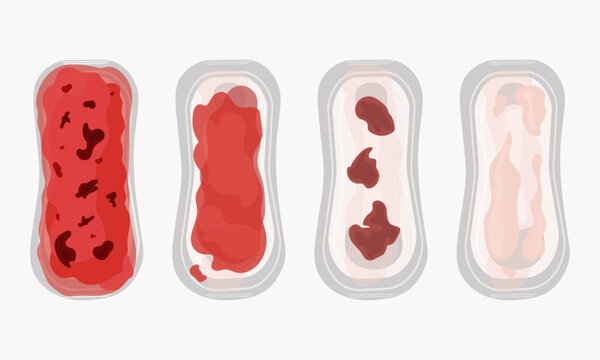
While the expectation of postpartum bleeding is common, the actual experience can be unexpected. It’s not just a heavier period for a couple of days—it’s something called lochia, and it can last up to six weeks or longer. It goes through phases—bright red at first, then pinkish, then brownish, and finally yellow or white.
Bleeding can ramp up again with activity. Walks, lifting items, and even getting out of bed too fast can trigger heavier flow days after things seemed to slow down. And it’s not just blood—there’s mucus and tissue involved too.
For those not expecting it, the experience can feel confusing, even alarming. But it’s completely normal. Having the appropriate postpartum supplies, such as extra absorbent pads, mesh underwear, and waterproof mattress covers, can significantly improve the situation.
3) Sitting Can Be Painful

One thing not often mentioned? Sitting down after childbirth can be surprisingly challenging. Whether from vaginal tears, episiotomies, or hemorrhoids, the lower half of the body can feel sore, swollen, and bruised.
Sitz baths, donut pillows, and cold compresses become daily essentials. Even lying down can feel awkward at first, and finding a comfortable position might take time. It’s not uncommon to shift around constantly, trying to avoid pressure on tender areas.
These discomforts often linger longer than expected, especially when combined with the constant up-and-down motion of caring for a newborn. Recovery from birth isn’t limited to just healing on the inside—it’s also about regaining basic comfort in the body.
4) Hormones Hit Hard and Fast
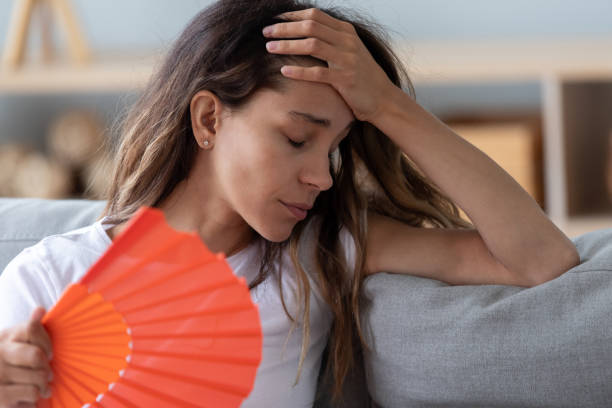
The hormones often plummet a few days postpartum. This period, commonly referred to as the “baby blues,” can be overwhelming with tears, anxiety, and exhaustion. Postpartum depression, which is more intense and lasts longer than the baby blues, can still be compelling.
Tears might come out. Tears may appear unexpectedly out of disconnection, even during joyful moments. Feeling overwhelmed becomes the norm. These mood swings are a direct result of hormone fluctuations—and they’re not a reflection of failure or lack of gratitude.
Beyond the blues, hormonal changes can also cause night sweats, hair loss, acne, and mood shifts that continue for weeks or months. There’s comfort in knowing it’s normal, but it doesn’t make it any easier.
5) The Pelvic Floor Doesn’t Always Bounce Back
The pelvic floor suffers whether from a vaginal birth or a cesarean section. It’s responsible for supporting internal organs and controlling bladder and bowel functions, and pregnancy puts an enormous strain on it.
Many are surprised by the lingering effects: urinary leakage when laughing, sneezing, or running. A heavy feeling was “down there.” Occasionally, one may experience agonizing sexual encounters or discomfort in the pelvis while moving.
These symptoms are common, but not something to suffer through in silence. Pelvic floor therapy can be transformative, and seeking help should be as normalized as taking a postpartum vitamin.
Related Post
Cesarean Recovery Is Its Own Kind of Hard
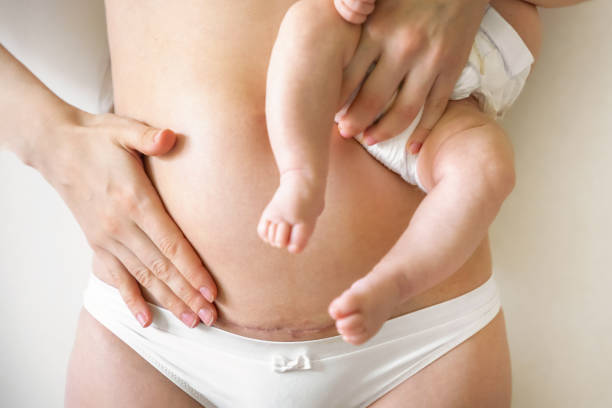
C-sections are major surgeries, yet occasionally the expectation is that recovery should be just as smooth or quick as a vaginal delivery. The reality is often far more complex.
There’s the incision to care for, which can feel tight, sore, or even numb for months. Getting up, walking, and lifting can be challenging. Bloating and trapped gas pain are common side effects. Even laughing or coughing can feel painful at first.
Scar tissue might create discomfort long after the surface has healed, and some report emotional challenges connected to the experience. Whether planned or unplanned, cesarean recovery deserves the same acknowledgment and support as any other birth experience.
7) Sleep Deprivation Changes Everything
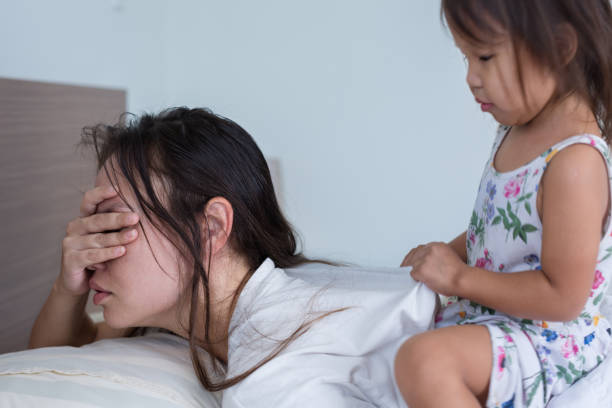
People love to joke about sleepless nights, but the truth is, chronic sleep deprivation is a form of torture. It can affect memory, mood, focus, and even physical healing. It makes emotional regulation almost impossible and turns small problems into mountains.
Waking every couple of hours doesn’t just lead to exhaustion—it reshapes identity, patience, and how the world is perceived. The full impact of it is difficult to articulate without personal experience. Rest isn’t a luxury during postpartum; it’s a medical necessity. Yet, it’s often the hardest thing to come by.
8) Breastfeeding Can Be Incredibly Challenging

Breastfeeding is often described as natural and beautiful—but rarely as difficult or painful. The early days can involve cracked nipples, engorgement, clogged ducts, and latch struggles. Letdowns can feel like electric shocks. Some experience oversupply; others barely produce enough.
It’s a physically demanding process that can feel all-consuming, especially when feeding around the clock. There’s also a significant mental load that comes with tracking feeding times, pumping sessions, and supply levels.
Some find breastfeeding to be rewarding and bonding. Others find it emotionally taxing. We should not shame anyone for their choice of feeding, as both experiences are valid.
9) The Body Feels Foreign
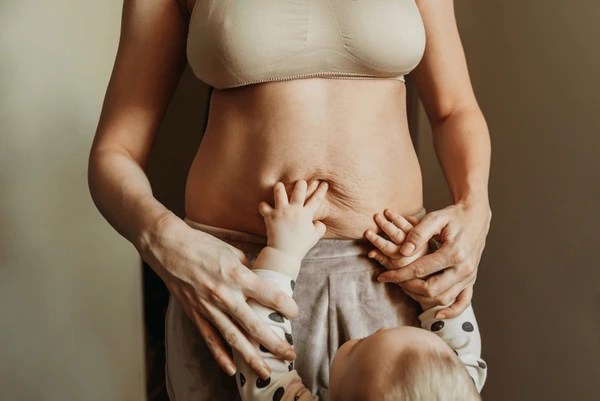
Postpartum bodies don’t snap back—they evolve. There may be stretched skin, widened hips, linea nigra lines, or a lingering softness in the belly. The core can feel weak, and clothes might fit differently, even if the scale returns to pre-pregnancy numbers.
There’s often an identity shift that comes with these physical changes. The mirror reflects someone who feels familiar but also entirely new. The pressure to “get the body back” is both unfair and unrealistic. What’s often needed instead is permission to be in a body that has changed—and grace in letting that be okay.
10) Emotional Recovery Deserves More Attention
There’s a lot of emphasis on physical healing, but the emotional side of postpartum recovery runs just as deep. It’s a period marked by extreme highs and lows—love, fear, anxiety, grief, joy, resentment, and awe often all exist together.
It’s not uncommon to feel isolated, even when surrounded by people. There’s a grieving process for the life that existed before. For some, there’s trauma tied to the birth experience. For others, the loss of autonomy feels suffocating.
And then there’s postpartum depression and anxiety, which can creep in quietly or crash down loudly. Neither is a sign of weakness. Both deserve compassion, support, and, when needed, professional help.
11) Social Expectations Can Be Crushing
Visitors often expect smiles and cuddles, not tears and sore nipples. There’s pressure to be grateful, put-together, and cheerful—especially on social media. But the reality might be messy hair, stained clothes, and a body that’s barely holding it together.
The unspoken expectations placed on postpartum people can be exhausting. There’s pressure to reply to messages, update friends, and “enjoy every moment.” But not every moment is enjoyable, and that doesn’t make someone ungrateful.
More people need to accept the right to exist without performance—to simply rest, recover, and feel.
13) Healing Isn’t Just About Recovery—It’s About Rebuilding
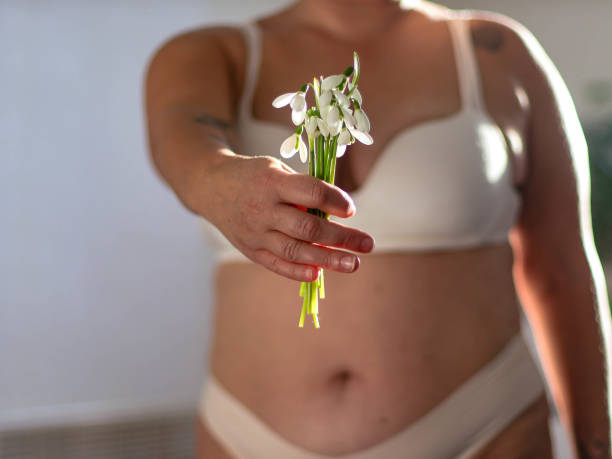
Postpartum recovery is often treated like a return to “before.” But in many ways, it’s about creating a new version of life. It’s a reset, a redefinition, and a rebuilding.
Strength doesn’t come from rushing back to routines or ignoring pain. It comes from honoring the process, resting when possible, and asking for help. It’s okay to move slowly. It’s okay to mourn what’s lost. And it’s okay to feel completely overwhelmed while still moving forward.
What is the most crucial aspect to consider? Recognizing the transient nature of this intense phase and the constant, non-linear process of healing is crucial.
Final Thoughts

There’s so much that nobody tells you about postpartum recovery—not because it’s taboo, but because society still struggles to prioritize the realities of it. The filtered images, the highlight reels, and the quick hospital discharges don’t reflect the deeper truths.
Every postpartum journey is different, and none of them are perfect. Some come with scars. Others arrive in silence. Each person has undergone a profound transformation.
Talking about it more—honestly and without shame—can help break the cycle of isolation and unrealistic expectations. Recovery is not a linear process. It looks like sleepless nights, slow healing, shifting hormones, and a new sense of self that deserves to be honored just as much as the birth itself.

 Babies Harmony Hub
Leave a comment