
By: Babies Harmony Hub | 10 minutes read time

Bringing an infant into the world seems like entering a maelstrom of love, restless nights, and never-ending choices. Where their child sleeps is one of the most important decisions parents must make. Though both bassinets and cribs offer a safe, comfortable place for those priceless naps and nocturnal sleep, which one fits better? Let’s dissect what makes every choice stand out and how to choose the best one for a newborn.
Understanding the Basics
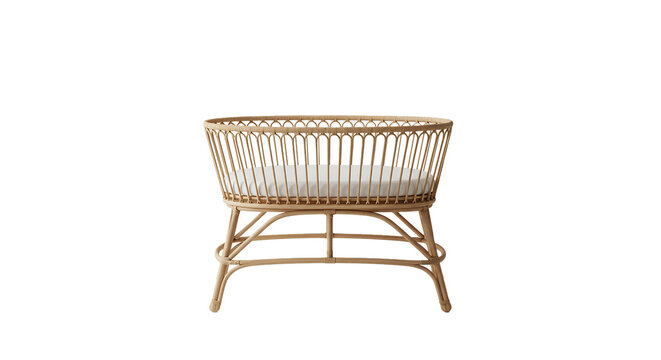
A bassinet is a tiny, portable sleeping place made especially for newborns. From birth to approximately 4-6 months, or until the infant weighs 15-20 pounds or begins to roll over, people typically use a bassinet. Whether in the bedroom or living area, bassinets are small, typically light, and ideal for keeping a baby nearby. They range in style from classic to bedside to even ones that rock or vibrate.

A crib, on the other hand, is a bigger, stronger sleeping arrangement designed for infants from birth until toddlerhood (typically spanning three years or 35 inches in height). Designed to remain motionless in one spot, cribs can transform into toddler beds for extended use. Offering a safe, roomy area for growing newborns, they are the traditional choice for a nursery.
Both cribs and bassinets are built with safety in mind, following the American Academy of Pediatrics (AAP) recommendations for lowering SIDS risks, such as using firm mattresses and avoiding loose bedding. Their variations in size, portability, and lifetime, however, make the decision somewhat more difficult. Let us venture further.
Why Choose a Bassinet?

Bassinets are small enough to fit right next to the bed, so evening feedings and check-ins are easy. Bedside bassinets—like the Halo BassiNest—are a godsend while you’re half-asleep, as they even include a drop-down side for simple access. For the first six months, the AAP advises room sharing to lower SIDS risk; bassinets are rather handy.
Most bassinets are lightweight and easy to carry about. Wheels on models like the Dream On Me Karley Bassinet allow you to roll them from the bedroom to the living area. The portable design is ideal for monitoring a napping infant while you fold clothes or sip coffee. Babies enjoy the cozy comfort that replicates the womb. With their tiny footprint—often between 30 and 35 inches long—bassinets feel safe and reassuring, which can help fussy infants relax. Some even include gentle rocking, white noise, or vibrating elements.
Affordability: With excellent choices between $50 and $200, bassinets are sometimes less expensive than cribs. If money is tight, a bassinet might be a wallet-friendly starting point, particularly in those early months when babies sleep most.
Why Choose a Crib?

The traditional choice is a crib, and there’s a good reason they have been a nursery mainstay forever. Built to last, they provide a consistent sleeping environment from birth to toddlerhood. Cribs stand out for this reason:
Longevity
For most households, purchasing a crib is a one-time purchase. Like the Graco Benton, standard cribs accommodate infants from birth until they are ready for a toddler bed (around two to three years). Many are convertible, therefore extending their worth over years into toddler beds or even full-sized beds. Designed to handle a developing, moving baby, cribs are strong and fixed. With fixed sides and slats separated no more than 2⅜ inches apart to avoid entrapment, they satisfy rigorous safety requirements. As babies get more active, this durability provides peace of mind. Usually measuring 52–54 inches in length, cribs provide enough space for growing babies to spread out. To keep babies safe, adjustable mattress heights allow you to lower the bed as the baby begins to sit or stand.
Related Post
Nursery Vibes

Cribs are an essential component of a nursery. Their limitless styles—from sleek modern to vintage-inspired—add warmth and charm to the decor and center attention.
Cribs present several challenges, particularly because their larger size requires more space, which can be problematic for those living in a small apartment. Moving a crib to another room is not a choice since they are not movable. And they cost more; decent cribs go from $100 to $500 (or more for elegant convertible designs). The big scale can seem less cozy for newborns, which may cause some of them to be more restless until they settle.
Safety First: What to Look For
Safety is non-negotiable, whether it’s a bassinet or a crib. Both have to follow AAP rules: a firm, flat mattress, no pillows, blankets, or toys, and always have newborns sleep on their backs. Especially for bedside models, look for strong bases and breathable mesh sides on bassinets. Older hand-me-down bassinets should be avoided as they might not satisfy 2025 safety criteria.
For cribs, check that slats are correctly placed and avoid the drop-side models—banned for safety concerns. On sites like Amazon or Walmart, always purchase from trustworthy brands; look for JPMA (Juvenile Products Manufacturers Association) certification. Smart features that trend in 2025 include cribs with built-in monitors or bassinets with sensors for breathing. These are fantastic but not absolutely necessary; basic, safe designs also work just as well. Always register the goods for recalls and double-check construction to prevent loose screws or shaky frames.
Comparing the Two: A Side-by-Side Look
Let’s head-to-head compare bassinets and cribs to see how they stack up:
Size and Space: Bassinets shine in confined areas. Their 30- to 35-inch length allows them to tuck conveniently next to a bed or in a corner. Cribs, which measure 52 to 54 inches in length, require a specific amount of nursery space that can be challenging to accommodate in limited areas.
Portability: Many bassinets include movable wheels or folding designs for around-the-house mobility. Cribs are designed to remain stationary.
Longevity: The long-term champs are cabs. Especially convertible ones, they last years. Outgrown in months, bassinets call for a crib later.
Cost: Bassinets typically cost less initially, ranging from $50 to $200, while cribs usually range from $100 to $500. However, the overall cost may balance out because most families eventually need to purchase a crib.
Comfort for Newborns: For small newborns, bassinets seem cozier because they reflect the tightness of the womb. However, while some newborns find bassinets less soothing, cribs offer more space and accommodate their rapid growth.
Convenience: With their bedside access, bassinets simplify nighttime care. Especially if the nursery is down the hall, cribs call for extra work to reach a newborn.
Real-Life Situations: What Fits Your Life?
The “better” option will depend on priorities, lifestyles, and financial situations. Here are a few situations to guide your decision:
Small Apartment Dwellers: A bassinet makes perfect sense if room is limited. It is portable, keeping the infant close, and fits next to the bed. If necessary, later on pair it with a foldable crib, like the Delta Children Folding Mini Crib.
Budget-Conscious Parents: The wiser purchase might be a convertible crib. Buying a bassinet and a crib costs more than spending $200 to $300 upfront.
Frequent Movers: Families who travel or shift between houses would find bassinets, which are portable and simple to pack, perfect. But a crib grounds the nursery anywhere you find yourself in long-term stability.
Nighttime Feeding Warriors: Bedside bassinets enable you to comfort or feed without getting out of bed; evening feeding warriors excel here. Once babies go to their room and sleep longer lengths, cribs perform better.
Aesthetic Enthusiasts: The style and presence of a crib define the nursery if it is your dream project. Although they are less of a design statement, bassinets possess a certain charm.
Combining Both: A Hybrid Method
One could argue that you don’t always have to decide one way or another. For the first several months, many parents begin with a bassinet and then move to a crib. This combination accentuates the advantages of both—cozy intimacy early on, then a robust, long-term sleeping environment. For the newborn phase, for instance, utilize a Snoo Smart Sleeper Bassinet (with its calming tech), and then, when the baby is ready, go to a Graco Benton Convertible Crib. Please consider both options and explore the possibility of using hand-me-downs or resale to help you stay within your budget.
Another variation divides the difference with a co-sleeper or tiny crib. Functioning as bedside bassinets, co-sleepers such as the Arm’s Reach Clear-Vue are somewhat larger and last up to six to nine months. Usually lasting until age two, mini cribs (about 38 inches in length) are small like bassinets but sturdier. Small areas or parents seeking adaptability will find these hybrids perfect.
What Parents Today Say in 2025
Similar to Reddit’s r/parenting section, Amazon reviews and parenting sites offer a wealth of information. While some people complain that high-end choices, such as the Snoo ($1,500+), are too expensive, bassinet enthusiasts appreciate the convenience of models like the Halo BassiNest due to their swivel design and mesh sides. Although some users of convertible cribs find them to be unwieldy for tiny houses, others applaud budget-friendly choices like the Carter’s by DaVinci for its sturdy structure and simple assembly. Parents put safety and simplicity of use above fancy features generally; nobody needs a Wi-Fi-enabled crib when a basic, solid crib performs the task.
Making the Call: Advice on Selection
You are currently facing a dilemma. These are some useful pointers to help you decide on the correct course:
Measure Your Space: Find out how big your bedroom or nursery is. If it’s tight, move toward a tiny crib or bassinet. Has room? A full-size crib won’t cramp your style.
Create a budget. Choose your upfront and long-term spending limit. While a convertible crib may save more over years, a bassinet could save money right now.
Think Lifestyle: A portable bassinet is handy if you are always on the go. A crib roots you if you are nesting in one location.
Give safety top importance: Purchase only from reputable brands; also, review 2025 safety criteria—such as CPSC guidelines. Unless you are certain it follows current standards, avoid secondhand.
Try the Waters: If not sure, begin with a bassinet—new or borrowed—then work on a crib later. Babies simply want a safe place to nap; they have no interest in your Pinterest-perfect nursery.
Final Thoughts
Selecting between a bassinet and a crib is more about what fits your life than about choosing the “perfect” solution; it helps to somewhat soften those early months. For babies, bassinets provide portable comfort and help them stay near as you negotiate the newborn haze. Growing with a baby from infancy to toddlerhood, cribs provide durability and longevity. Both are safe, loving decisions made with thought. In 2025, when options abound from Amazon, Walmart, and neighborhood stores, the key is to trust your instincts. Whatever you decide will help your child to find a cozy, peaceful refuge.

 Babies Harmony Hub
Leave a comment