
By: Babies Harmony Hub | 8 minutes read time
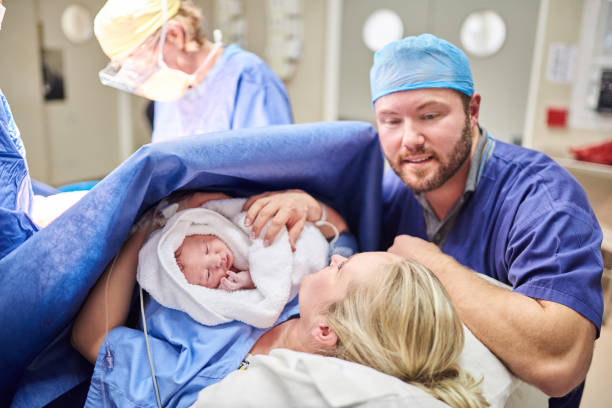
Entering a delivery room for the first time can be a daunting experience for a father. The energy is intense, the stakes are high, and the emotions run deep. There’s a blend of anticipation, excitement, nervousness, and a significant sense of uncertainty about what to do next in the air.
Every labor and delivery is unique, but there’s a general rhythm to how things go—and knowing a bit about that rhythm can make the experience feel a lot less overwhelming. No one expects perfection, but being informed and emotionally present makes all the difference. Here’s what to expect in the delivery room, along with a few insights that often don’t show up in baby books.
1. The Waiting Game Is Real

Despite all the buildup, labor can take a long time. For some, it’s a matter of hours. For others, it’s a full-day (or multi-day) affair. Early labor often starts at home, with contractions coming in waves that build up in intensity. By the time the hospital or birthing center is involved, there’s already a sense of urgency.
However, once in the delivery room, time can elapse. The medical staff arrives and departs, and contractions can occur hours apart. The most supportive thing to do early on is just be calm and available. There might not be a clear “role” yet—no heroic moves to make—but being a grounding presence matters.
Bring snacks, charge the phone, and maybe even a pair of comfy shoes. It is important to remember that labor is a marathon, not a sprint, and it is not beneficial for anyone to have a dad who is constantly hungry or pacing like an animal in a cage.
2) It’s Loud, Quiet, Chaotic, and Still—All at Once
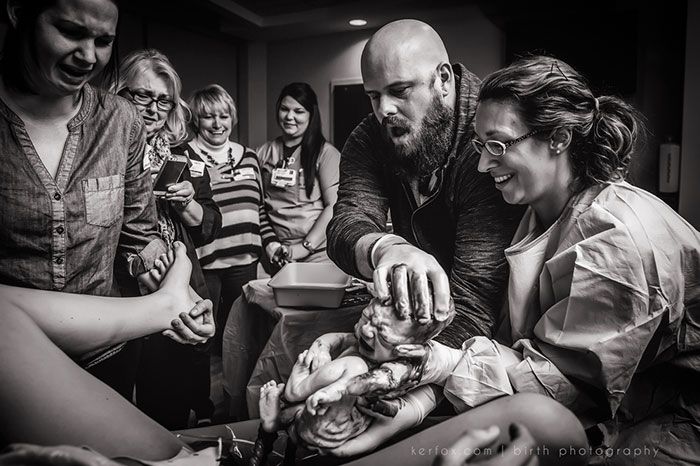
Being able to read the room helps. Occasionally, the most needed support is quiet—a hand to hold, a reassuring word, a steady presence when everything feels overwhelming. Other times, it’s about advocating gently, asking questions, or simply getting out of the way so the professionals can do their thing.
No one gets a manual on how to behave in that space, but being emotionally flexible is huge. It helps to understand that control isn’t the goal. Presence is.
3) The Emotions Come Hard and Fast
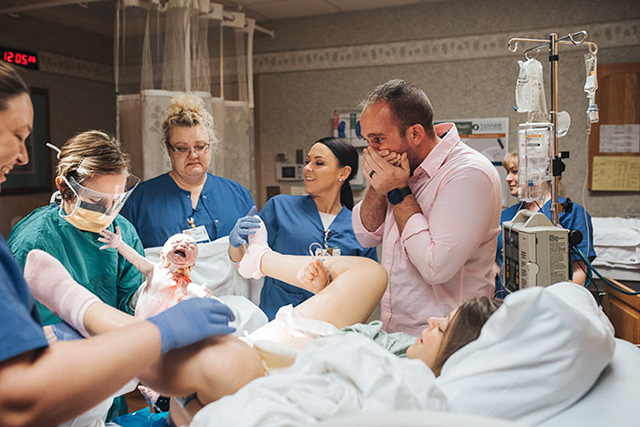
There’s no preparing for the emotional wave that hits in the delivery room. The buildup of months—planning, ultrasounds, doctor’s visits, all those tiny socks—culminates in a few intense hours. And that final moment, the one when the baby arrives, tends to crack something open inside.
Tears, laughter, and blank stares of disbelief are all normal reactions. There’s no right way to respond when witnessing the rawness of childbirth. But whatever comes, it’s real and it’s powerful.
That emotional chaos doesn’t just belong to the person giving birth. Dads feel it too, in their own way. And embracing those feelings rather than stuffing them down helps build a stronger connection from the very start.
4) There Might Be Blood, Screaming, and a Lot of Bodily Fluids
No sugarcoating it—birth is messy. The movies don’t lie about that part. Between the amniotic fluid, the blood, and everything else involved, it’s not exactly a spa day. But that mess? It’s natural. It’s part of the process.
Some dads choose to stay north of the delivery action (closer to the head and shoulders), while others find themselves fascinated by the whole process and want to see everything. Either way is fine—as long as it’s not causing stress for the birthing partner.
The important thing is not to freeze up when things get real. Medical professionals are trained to handle all of it, and a dad who keeps a steady demeanor can help create a sense of safety in the room—even if everything inside is screaming, “What is happening right now?!”
5) The Partner May Not Be “Themselves”
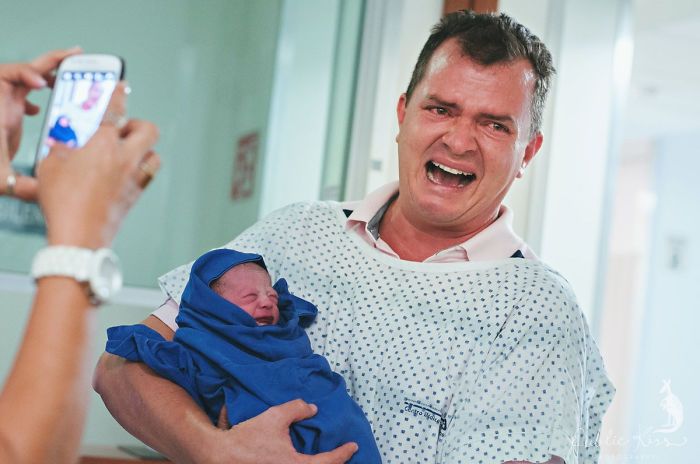
Labor is physically demanding and emotionally intense. The person in labor may exhibit out-of-character behavior, unexpected outbursts, or a need for space. Such behavior isn’t a personal attack—it’s survival mode.
What helps most in these moments is letting go of ego. It’s not about being the hero or saying the perfect thing. Occasionally, the best form of support is silently rubbing a back, counting through contractions, or simply being present without needing appreciation.
Birth doesn’t look like a romantic movie scene. It’s raw, primal, and sometimes loud. But underneath the grit, there’s deep trust—and that’s what makes it so powerful.
6) The Medical Team Has Seen It All
It’s easy to feel out of place among doctors, nurses, and techs who know exactly what they’re doing. But one thing to keep in mind: they’ve seen every type of dad imaginable. Nervous dads, excited dads, passed-out dads, dads making jokes to cope—it’s all been done.
There’s no need to impress anyone. What matters is staying focused on the partner and being respectful to the team. Ask questions if something seems unclear, but also trust that the professionals are there to ensure a safe delivery for everyone involved.
7) Epidurals, Monitors, and Medical Jargon—Oh My

The delivery room frequently provides a comprehensive introduction to medical terminology. Words like “cervical dilation,” “station,” “episiotomy,” and “pitocin” get thrown around with confidence. It can be overwhelming to process it all, especially when the stakes are high.
Rather than panicking, it helps to quietly ask for clarification if something sounds serious or confusing. The medical team usually doesn’t mind offering a quick explanation—especially if it helps a dad feel more grounded and helpful in the moment.
Additionally, epidurals are among the factors that can dramatically change the atmosphere. For many, it provides relief and rest. But getting the epidural involves needles and a quiet, precise procedure. What is the most effective method to assist? Help? Keep a safe distance, maintain composure, and be prepared to assist once the task is complete.
8) The Final Push Is Like Nothing Else

When it’s go-time, the energy shifts completely. Suddenly, everything speeds up. The room fills with people, tools, and urgent voices. It can feel like total chaos, but every movement has purpose.
Watching someone push through the final stage of labor is nothing short of awe-inspiring. There’s pain, yes—but also strength, determination, and a kind of fierce love that’s impossible to describe.
This is the moment many dads remember forever. The sight, the sound, and the smell leave a lasting impression. And when that baby makes their entrance, the entire room changes. Time slows. Breath catches. It’s a moment suspended between exhaustion and pure, overwhelming love.
9) Skin-to-Skin and Firsts
After delivery, everything softens. The lights dim. The voices lower. The baby is placed on the parent’s chest, and skin-to-skin bonding begins. It’s quiet, beautiful, and tender. Time moves differently in this stage.
Dads are often offered a turn too—an opportunity to hold their child against bare skin. That moment tends to hit hard. The baby might be squishy, covered in vernix, and still crying—but in those arms, a sense of connection begins.
Then come the first cries, the first diaper change, and the first attempt at feeding. Every “first” feels like a small miracle.
10) Recovery Starts Immediately
Just because the baby has arrived doesn’t mean the hard part is over. There’s still placenta delivery, stitches (if needed), and physical recovery for the birthing partner. Nurses continue to monitor vitals, and paperwork starts flowing.
This is often the moment when adrenaline levels decrease and fatigue begins to set in. The best thing to do is stay grounded. Help with logistics. Ask for extra blankets. Refill the water cup. Make that first call or text. These seemingly small acts of care make a huge difference during the hazy first few hours.
11) The Birth Story Begins Now

The delivery room experience becomes part of the family’s story. People will ask about it. Memories of the pain, the joy, the fear, and the sheer intensity stick around. Over time, the sharper edges soften, but the emotional core of the experience stays.
Being present, engaged, and emotionally open during labor doesn’t just support the birthing partner—it helps lay the foundation for fatherhood. The delivery room may only be a few hours out of a lifetime, but it’s often where something big shifts.
12) It’s Okay to Feel Unprepared
Even with books, classes, and videos, nothing fully prepares someone for the delivery room. And that’s okay. No one walks into that space a seasoned expert. What matters most is showing up—with attention, care, and a willingness to learn.
Some moments will feel overwhelming. Others will feel like the most natural thing in the world. Mistakes might happen—saying the wrong thing, freezing up, or not knowing where to stand. But it’s all part of the process.
Being in the room where a new life enters the world is a privilege. For many fathers, it’s their first taste of how wild parenthood can be.
Final Thoughts
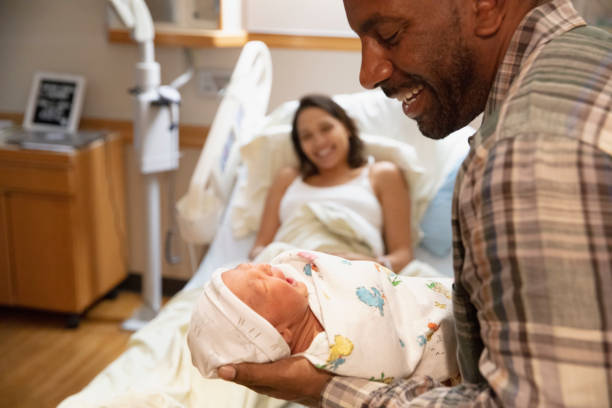
The delivery room isn’t about performance. It’s not about having the right words or doing everything perfectly. It’s about being there—fully, messily, and with an open heart.
Anticipate the unforeseen. Hold space for the pain, the joy, the uncertainty, and the magic. When the day is done and the baby is asleep in tiny, tired arms, there will be a quiet understanding: something amazing just happened, and being there mattered.

 Babies Harmony Hub
Leave a comment