

By: Babies Harmony Hub | 7 minutes read time

Hey, new parents! You’ve made it through the hospital stay, the car seat wrestle, and that slightly terrifying drive home with a newborn in tow. Now you’re standing in your living room, looking at this tiny human and thinking, “Okay, what’s next?” Your first week at home is filled with both magic and chaos. No one hands you a playbook, but don’t worry. We’re here to walk you through what you need to know to survive (and maybe even enjoy) those first seven days.
Day 1: Settling In and Breathing Deep

It’s crucial to land softly on your first day home. You’re probably running on adrenaline, a little sleep deprivation, and many emotions. That’s normal. Start by setting up a simple base camp—think a cozy corner with a bassinet, a stack of diapers, and a feeding station. Keep it basic; you don’t need to unpack every baby gadget just yet. Newborns mostly eat, sleep, and poop, so your mission is to figure out the rhythm. Speaking of eating, they’ll want to feed every 2-3 hours—sometimes more if breastfeeding is in the mix. Whether it’s bottle or breast, keep supplies close: bottles prepped, nipples sterilized, or a comfy spot for nursing. Here’s a crucial guideline: if they’re asleep, ensure they stay asleep. While you may feel tempted to poke around or “check” on them, remember that rest is crucial for both you and them.
Oh, and that umbilical stump? It’s still there, looking a bit odd. Keep it dry, fold the diaper below it, and resist the urge to mess with it. It’ll drop off soon enough. Day one is about keeping it simple and soaking in the fact that you’re doing this parenting thing for real.
Day 2: The Diaper Game Begins

By day two, you’ll notice something: newborns are diaper machines. Expect 8–12 changes per day— maybe more if they’re feeling extra productive. Stock up—seriously, you’ll burn through those size N’s fast. Set up a changing station with wipes (unscented is best), a cream for any redness, and a little trash bin. Here’s the drill: lay them down, undo the old diaper, lift their legs gently by the ankles, and slide it out. Wipe from front to back to ensure cleanliness and prevent rash, then replace the old diaper with the new one. Ensure the diaper is snug but not tight.
Pro tip: Always have a spare diaper or cloth on hand, as mid-change surprises are inevitable.
You might also spot their first real poop—shifting from that sticky black meconium to something yellowish. It’s a messy milestone, but it means their system’s working. If you’re bleary-eyed from night one, tag-team with a partner or nap when they do. Day two is when the reality of round-the-clock care hits, but you’ve got this.
Day 3: Feeding Frenzy and Figuring It Out
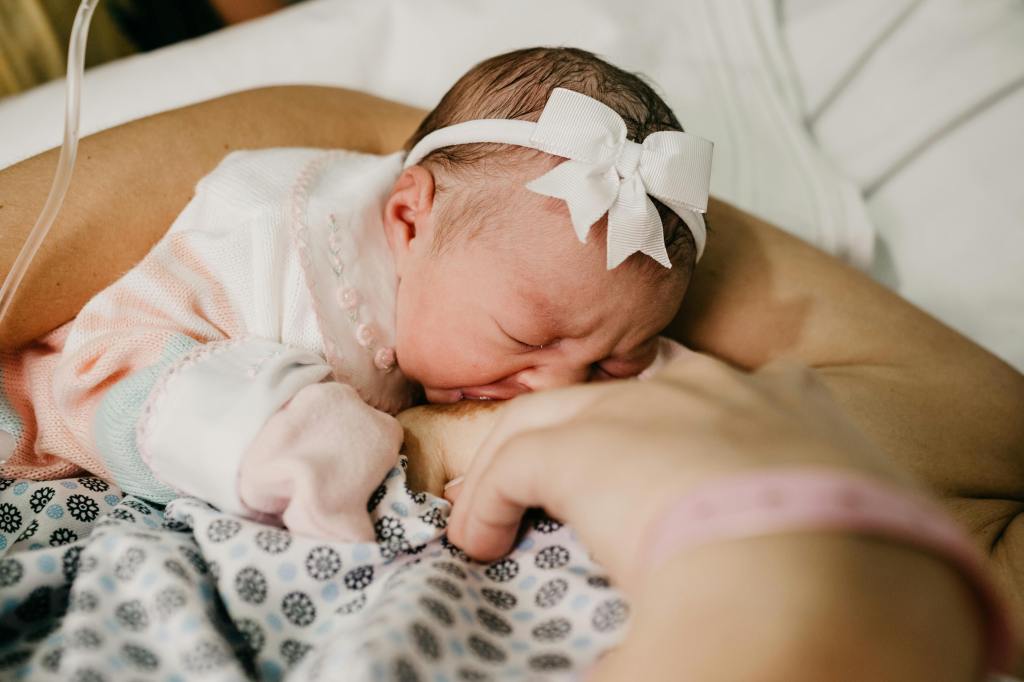
By day three, feeding becomes the primary focus. If you’re breastfeeding, it might feel like a marathon—cluster feeding (where they eat constantly) can pop up as milk supply ramps up. Get comfy with pillows, hydrate like it’s your job, and don’t stress if latching is tricky. Attempt various grips such as the cradle, football, and side-lying positions, and direct their nose towards the intended target. For those preparing formula, please measure and mix with precision, adhering to the scoop-to-water ratio and ensuring bottles are ready. Newborns take 1-3 ounces per feed at this stage, but they’ll let you know when they’re full—lips relaxed, hands unclenched.
Burping’s part of the gig too. Hold them over your shoulder or sit them up with chin support and pat them gently. Some burp loudly, some don’t—either is fine. Spitting up? Spitting up is normal, unless there’s a fountain nearby. Lay a cloth under their chin and roll with it. Day three is when you start syncing with their hunger cues—rooting, sucking on fists—and that’s a win worth celebrating.
Day 4: Sleep (Or Lack Thereof)

By day four, sleep becomes essential. Newborns sleep for 14–17 hours a day, but in 1-3-hour chunks. Often, their sleep pattern reverses, with themawake at night and asleep during the day. Set up a safe sleep spot: a bassinet or crib with a firm mattress and nothing else—no blankets or toys. Sleeping on your back is the safest option. Dim lights, lower noise, and maybe add a white noise hum—think fan or a soft “shh-shh.” Swaddling can help too—wrap them snug (but not too tight) with a light blanket or sack.
You? You’re lucky to snag a few hours. Nap when they nap, even if it’s 20 minutes. Coffee’s your friend, but don’t overdo it—jitters won’t help. Day four might feel like a fog, but it’s temporary. Promise.
Day 5: Bath Time and Bonding

Day five’s a good time to tackle that first bath—though you can wait longer if you’re not ready. Two or three baths a week are plenty for now. Grab a baby tub or use the sink with a towel for grip. Water should be warm—about 100°F, elbow-test approved. Gather soap (mild, baby-safe), a washcloth, and a towel first—wet babies don’t wait. Support their head, start with their face (just water), then move top-down. Rinse gently, pat dry, and bundle them up fast. It’s a delicate task, so proceed with caution.
This stage is also prime bonding time. Talk to them, hum a tune, or just lock eyes—they’re soaking it in. Skin-to-skin is gold too; strip them to a diaper, hold them against your chest, and feel the calm settle in. On the fifth day, you might begin to feel like a cohesive team.
Day 6: Visitors and Vibes

By day six, the outside world might knock—friends, family, the neighbor with a casserole. It’s sweet, but overwhelming. Set boundaries early: short visits, clean hands, and no kissing the baby’s face. If you’re not available, feel free to let them know—”We’re still settling in; let’s catch up soon” is a suitable response. Keep hand sanitizer by the door and a “no shoes” rule if you’re picky about germs.
You might also notice their personality peeking out—little grunts, sleepy smiles (gas, probably, but adorable). Take a breather to enjoy it. Day six involves balancing the needs of them, yourself, and the stream of well-wishers.
Day 7: Health Check and Confidence Boost
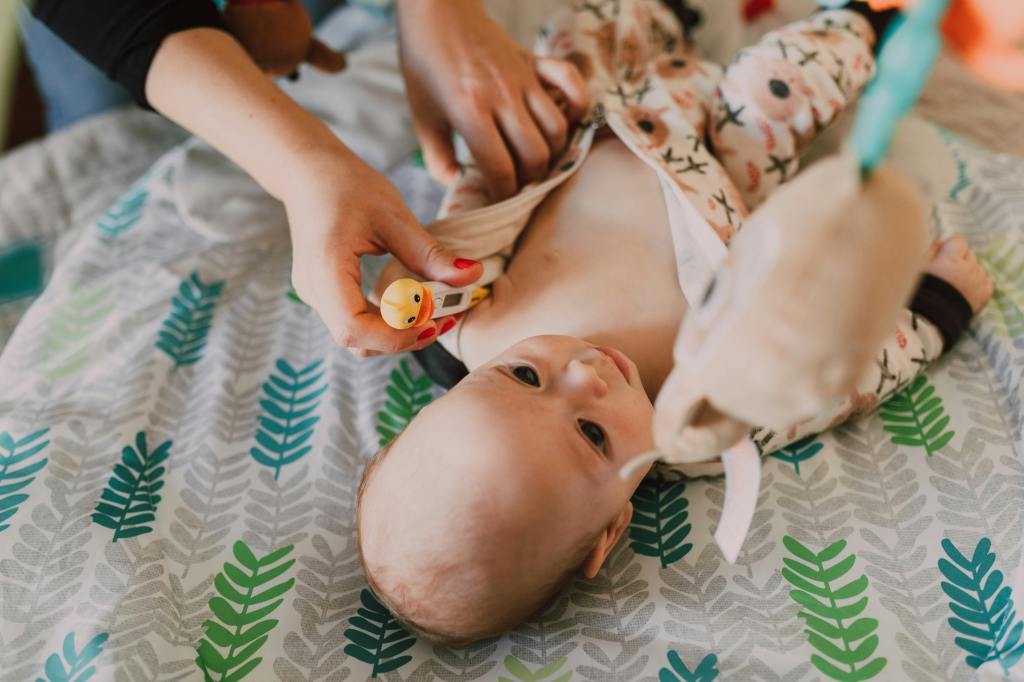
Day seven’s a milestone—you’ve made it a week! You’re likely due for a pediatrician visit soon, maybe even today. They’ll weigh, measure, and check everything—head, hips, reflexes. Bring questions: “Is this poop normal?” “Why the hiccups?” They’ve heard it all. At home, watch for 6-8 wet diapers daily (a sign they’re eating enough) and no fever—100.4°F or higher means a call, no delay.
You’re also becoming more adept at it. That swaddle’s less wonky, the burp comes quicker, and you’re decoding cries (hungry? tired?). Day seven is proof you’re adapting, even if it doesn’t feel polished yet.
The Big Picture: You’re Doing Great
Let’s zoom out. This first week isn’t about perfection—it’s survival with a side of love. You’ll spill formula, fumble a diaper, and wonder if you’re “doing it right.” Spoiler: there’s no single right way. Newborns need food, warmth, and you—messy hair and all. Lean on a partner, a friend, or that one relative who gets it. Accept help—meals, laundry, a 30-minute break. And if you’re overwhelmed? Cry it out. Laugh it off. It’s all part of the ride.
Stock up on wipes, freeze a meal, and keep the pediatrician’s number handy. You won’t master it all in week one—nobody does—but you’re building something amazing: a connection that grows every day. So, new parents, take a deep breath. You’ve got a week under your belt, and that’s huge.

 Babies Harmony Hub
Leave a comment