

By: Babies Harmony Hub | 8 minutes read time

Congrats on your new baby, whether they are on the way or already here, gazing up at you with their wide, curious eyes. Either way, congratulations!

Becoming a parent for the first time is an exciting journey filled with joy, wonder, and, let’s be honest, a hint of uncertainty. That’s totally normal. That is completely understandable. Newborns do not come with instruction manuals (wouldn’t that be convenient?) But rest assured—I am here to support you. Let us explore some essential newborn care tips that will help you feel more confident as you embark on this exciting chapter. Let’s walk through some essential newborn care tips that’ll help you feel more confident as you step into this exciting chapter. Grab a coffee (you might need it!), and let’s dive in.
1. Mastering the Art of the Swaddle

Imagine a newborn, snug and cozy, tucked in like a little burrito. That’s the magic of swaddling.
One of the first parenting methods, swaddling, is effective because it mimics the cramped conditions of the womb, providing newborns with a sense of security. To get started, choose a lightweight, breathable blanket—cotton or muslin works wonderfully. Lay it in a diamond shape, fold the top corner down, and position the baby’s shoulders just below that fold.
Pull one side across their chest, tuck it under, then bring the bottom up over their feet, and finish by wrapping the other side snugly around. Not too tight, though—leave room for those little hips to wiggle. Pro tip: If swaddling feels like origami gone wrong, there are Velcro or zip-up swaddle sacks that make it foolproof. Practice a few times, and you’ll be a pro in no time.
2. Feeding Basics: Breast, Bottle, or Both?

Feeding a newborn can feel like a big responsibility, but it’s all about finding what works for you and your little one. If you’re breastfeeding, please be prepared for some trial and error, as latching may not be intuitive initially. Position matters: try cradling the baby so their head is slightly elevated, and aim their nose toward your nipple. It might take a few tries, but once you’ve got it, it’s a beautiful bonding moment.

If you choose to use a formula, choose a brand that is gentle on small tummies (your pediatrician can provide guidance), and strictly adhere to the mixing instructions—too much water or powder can cause complications. Sterilize bottles and nipples before the first use, and keep a stash ready for those midnight feeds. Combo feeding? This approach is also perfectly acceptable! The goal is a fed, happy baby—and a sane, rested you.
3. Decoding Diapers

Diapers serve as both a trusted companion and a formidable adversary. Newborns go through a lot—like, 8-12 diapers a day—so stock up. Cloth or disposable? That’s your call. Disposables are convenient; cloth can save money long-term and feel eco-friendly. Either way, here’s the drill: Place the baby on a level, secure surface (a changing pad is highly recommended), remove the dirty diaper, and gently lift their legs to remove it. Apply a warm, damp cloth or an unscented wipe from front to back to ensure cleanliness and prevent rash. Slather on a thin layer of diaper cream if the skin looks red, then pop on a fresh diaper, making sure it’s snug but not squeezing those chubby thighs. Oh, and heads-up: newborns poop a lot at first—sometimes mid-change. It’s messy, it’s hilarious, and it’s all part of the gig.
4. Sleep: The Holy Grail

Newborns don’t sleep much, at least not on your schedule, so it’s a hot topic. They snooze 14–17 hours a day, but in short bursts. To help them (and you) get some rest, set up a safe sleep spot: a bassinet or crib with a firm mattress, no pillows, blankets, or stuffed animals—just a fitted sheet. Always put them on their back to sleep—it’s the safest way. Dim the lights, keep it quiet, and try a white noise machine if background hums help. Swaddling can work wonders here too. They wake up every 2–3 hours to eat. That’s normal. Nap when the baby naps if you can—it’s survival mode for now.
5. Bath Time: Less Is More

Bathing a newborn doesn’t need to be a daily production. Two or three times a week is plenty until they start crawling and getting grubby. Use a baby tub or sink lined with a towel for grip, and keep the water warm—not hot—around 100°F (test it with your elbow if you don’t have a thermometer). Gather everything first: mild baby soap, a washcloth, a towel, and a fresh diaper. Support their head with one hand, and gently wash from top to bottom—eyes, face, then the rest. Skip the soap on their face; water’s fine there. Rinse carefully, pat dry (don’t rub that delicate skin), and wrap them up quick to keep them toasty. It’s a slippery job, so take it slow.
6. Umbilical Cord and Skin Care
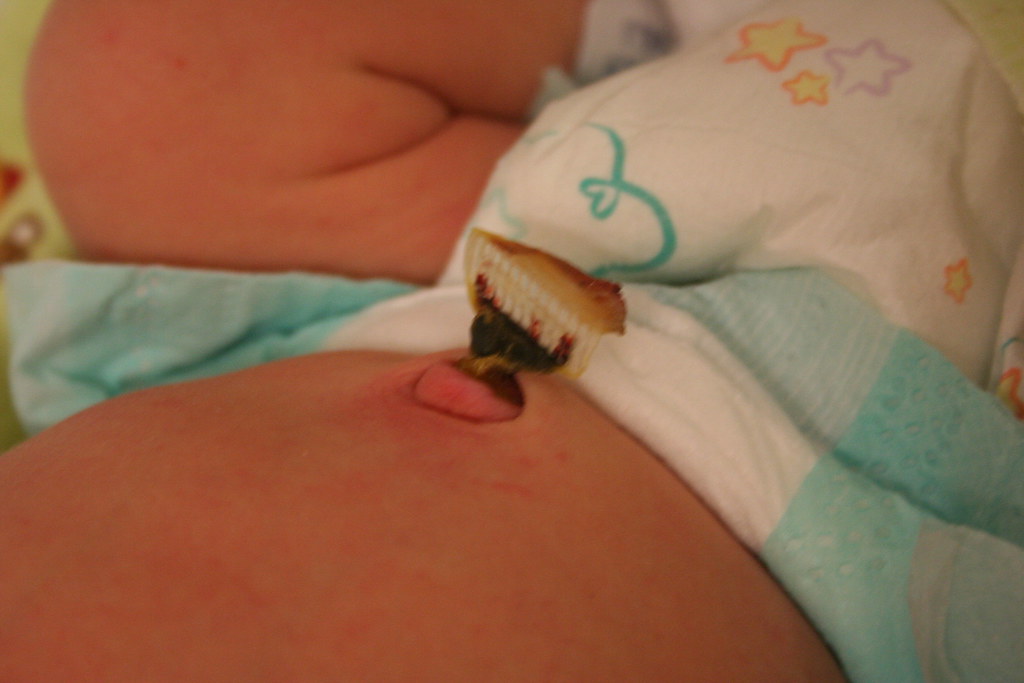
Isn’t that little umbilical stump fascinating? It’s both fascinating and a bit gross. It’ll fall off in 1–3 weeks, but until then, keep it dry and clean. Fold the diaper below it so air can circulate, and skip the alcohol swabs—modern advice says plain water is best if it needs a wipe. Watch for redness or oozing; that’s a call-the-doctor signal. As for skin, newborns often have dry patches or peeling—it’s normal as they adjust to life outside the womb. A dab of fragrance-free moisturizer can help, but don’t overdo it. As for those tiny nails, file them gently with a baby nail file—clippers can be tricky with squirmy hands.
7. Soothing the Fussies

Newborns cry—it’s their only way to say “I’m hungry,” “I’m tired,” or “I just need a cuddle.” Start with the basics: check the diaper, offer a feed, or try a gentle rock. A pacifier can be a game-changer if they’re just restless (though some wait a few weeks if breastfeeding). White noise, a slow sway, or even a car ride vibe (think “shh-shh” sounds) can calm them down too. If they’re still upset, hold them close—skin-to-skin contact is magic for settling nerves. If there has been no relief for a while, what should you do? Trust your gut and call your pediatrician. You’re not overreacting; you’re learning.
8. Dressing Them Right

Newborns can’t regulate their body temperature like we can, so layers are your friend. A sensible rule: dress them in one more layer than you’d wear. In a 70°F room, a onesie with a light swaddle or sleep sack works. Overheating’s a risk too, so feel their neck or back—if it’s sweaty, peel off a layer. Hats are adorable but only needed outdoors or in chilly spots. Stick to soft, breathable fabrics like cotton, and skip anything with dangling strings or buttons that could come loose. Comfort over fashion wins here.
9. Health Check-Ins

You’ll see the pediatrician a lot that first month—usually within a few days of birth, then at two weeks and one month. The pediatrician will assess weight, length, and overall health and will also be happy to address any questions you may have (it might be helpful to jot them down in advance!). At home, monitor the following factors: Are they eating well (6 to 8 wet diapers a day is a good sign)? Is their poop shifting from black, tarry stuff to mustardy yellow? If a fever of 100.4°F or higher is present, please contact a doctor immediately without delay. Trust your instincts—if something feels off, reach out.
10. You’ve Got This—Really!

Here’s the biggest tip of all: give yourself grace. Raising a newborn requires extensive experimentation and learning. Some days, you will successfully complete a diaper change with ease; on other occasions, you may find yourself searching online for answers to questions such as, “Is this poop normal?” at 3 a.m. Both experiences are valuable. Both are wins. Lean on your partner, a friend, or a family member when you need a breather—there’s no prize for doing it solo. You’re not just keeping a tiny human alive; you’re building a bond that’s stronger than you can imagine. So take it one diaper, one feed, and one nap at a time. You’re doing great—seriously.
And there you have it! These essentials will get you through those early days with a newborn. While it can be hectic, this season passes quickly. Before you know it, you’ll be swapping these tips for toddler tantrum advice. Do you have any questions, or would you like to share your strategies? Drop them below—I’d love to hear how you’re navigating this adventure!

 Babies Harmony Hub